
October is recognized as Transport Month in South Africa, a time to reflect on the vital role transportation plays in people’s lives. For many, it is also a chance to look back on how challenging life was before modern transport systems became available.
In South Africa, those living in Gauteng enjoy relatively efficient and reliable transport options. However, in rural areas, the situation is vastly different. Villagers often rely on donkey carts for mobility or contend with limited bus services that run just once or twice a day. Some areas have access to minibus taxis, but these are often available only every two to three hours, making transportation a daily challenge.
When compared to China, South Africa’s transportation system has significant room for development. China boasts an array of innovative transport systems that have revolutionized mobility for its citizens.
One standout example is China’s high-speed rail network, which is the largest in the world. Spanning over 38,000 kilometers, this system offers fast and efficient travel across the country. Additionally, China leads the world in the use of electric buses, with a massive fleet operating in cities nationwide.
By 2023, China’s transport networks had grown to over six million kilometers, with the country investing a record 3.9 trillion yuan in its transport infrastructure that year. This remarkable progress has enhanced mobility and improved the quality of life for millions.
South Africa can draw valuable lessons from China’s approach to transportation development. Investing in innovative and accessible transport systems could significantly improve the lives of South Africans, particularly those in rural and underserved areas.
October is recognized as Transport Month in South Africa, a time to reflect on the vital role transportation plays in people’s lives. For many, it is also a chance to look back on how challenging life was before modern transport systems became available.
In South Africa, those living in Gauteng enjoy relatively efficient and reliable transport options. However, in rural areas, the situation is vastly different. Villagers often rely on donkey carts for mobility or contend with limited bus services that run just once or twice a day. Some areas have access to minibus taxis, but these are often available only every two to three hours, making transportation a daily challenge.
When compared to China, South Africa’s transportation system has significant room for development. China boasts an array of innovative transport systems that have revolutionized mobility for its citizens.
One standout example is China’s high-speed rail network, which is the largest in the world. Spanning over 38,000 kilometers, this system offers fast and efficient travel across the country. Additionally, China leads the world in the use of electric buses, with a massive fleet operating in cities nationwide.
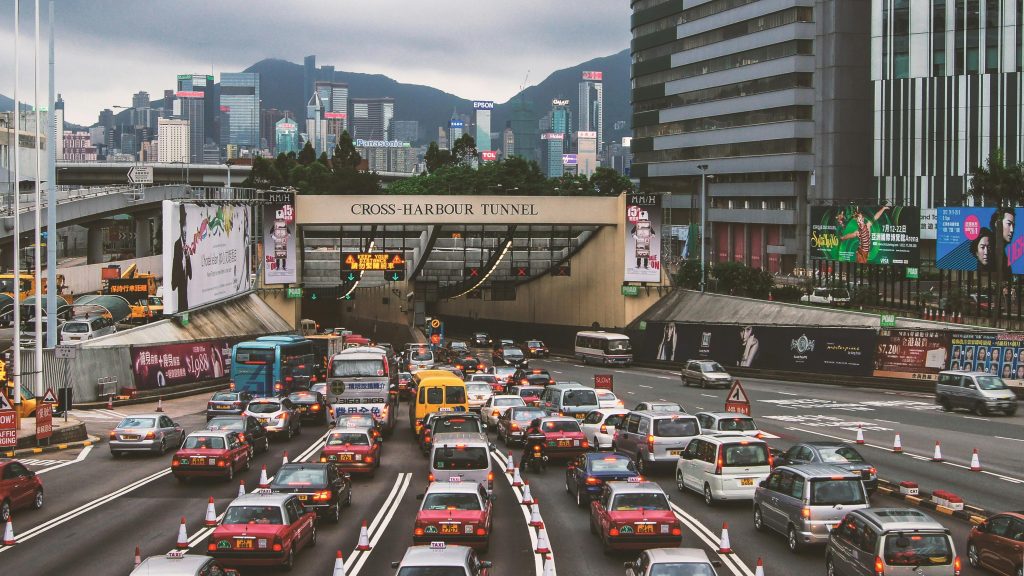
By 2023, China’s transport networks had grown to over six million kilometers, with the country investing a record 3.9 trillion yuan in its transport infrastructure that year. This remarkable progress has enhanced mobility and improved the quality of life for millions.
South Africa can draw valuable lessons from China’s approach to transportation development. Investing in innovative and accessible transport systems could significantly improve the lives of South Africans, particularly those in rural and underserved areas.